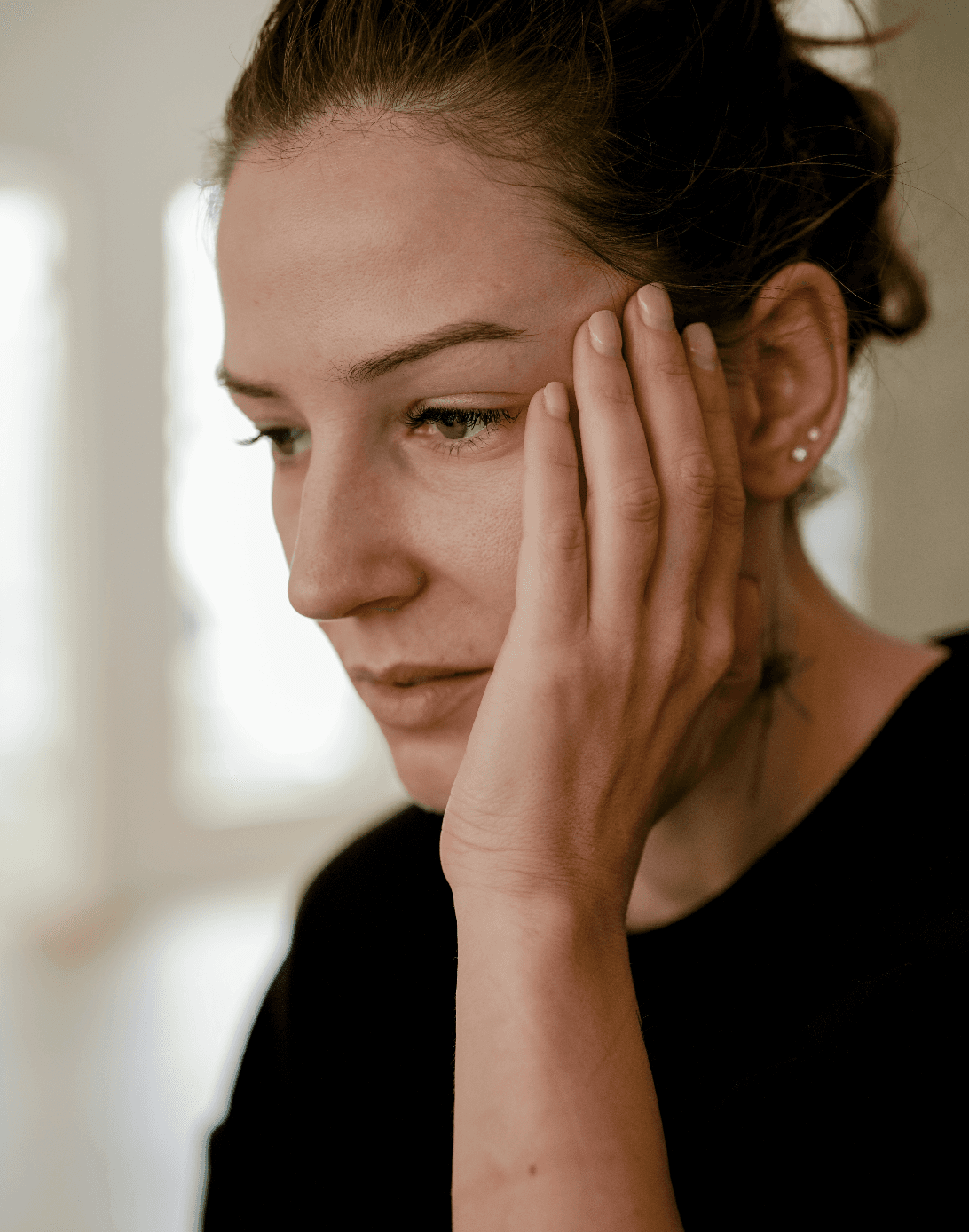
Loneliness, Obesity & Health in the UK: What the Numbers Tell Us
Loneliness, Obesity & Health in the UK: What the Numbers Tell Us
Jun 20, 2025
Jun 20, 2025
A deep dive into England’s Health Survey
A deep dive into England’s Health Survey

A deep dive into England’s Health Survey reveals powerful links between loneliness, physical health, and wellbeing highlighting areas where local community efforts like Soul Tribe can make a real difference.
🤝 1. Chronic loneliness is far more common than we realise
Around 6% of adults in England feel lonely often or always that’s more than 2.5 million people
A further 16% say they feel lonely sometimes adding up to 22% overall experiencing loneliness regularly .
📊 2. Loneliness and poor health go hand-in-hand
Nearly 30% of adults in poor health describe themselves as often lonely, compared to just 4% in good health
This link shows that loneliness isn’t just emotional it’s deeply tied to physical wellbeing.
⚖️ 3. Obesity and loneliness reinforce each other
30% of people living with obesity experience loneliness at least sometimes compared to around 22% of those at a healthy weight
Obesity and loneliness often overlap with poorer self-rated health, suggesting a cycle of isolation and wellbeing challenges .
🌍 4. Deprivation worsens loneliness
Adults in the most deprived areas are more than three times as likely to be chronically lonely (10%) than those in the least deprived areas (3%)
Regional disparities also exist: loneliness is significantly higher in the North East compared to the East Midlands
What This Means for Soul Tribe
Loneliness isn’t just emotional it’s a public health issue. Creating spaces for women to connect can boost both mental and physical health.
Outdoor, peer-led activities like walks, coast trips, or gardening can help tackle isolation and nurture wellbeing.
Targeting deprived areas could reach those who suffer most from loneliness and its health consequences.
How You Can Make an Impact
Host regular community gatherings even informal walk-and-talk events can ease loneliness.
Reach out where needs are greatest focus on neighbourhoods facing higher hardship or where health outcomes are poor.
Measure outcomes simple check-ins (How are you feeling? Have you been lonely?) can track progress.
By fostering connection in safe, nature-based settings, Soul Tribe can help women build resilience, reduce isolation, and support health together.
A deep dive into England’s Health Survey reveals powerful links between loneliness, physical health, and wellbeing highlighting areas where local community efforts like Soul Tribe can make a real difference.
🤝 1. Chronic loneliness is far more common than we realise
Around 6% of adults in England feel lonely often or always that’s more than 2.5 million people
A further 16% say they feel lonely sometimes adding up to 22% overall experiencing loneliness regularly .
📊 2. Loneliness and poor health go hand-in-hand
Nearly 30% of adults in poor health describe themselves as often lonely, compared to just 4% in good health
This link shows that loneliness isn’t just emotional it’s deeply tied to physical wellbeing.
⚖️ 3. Obesity and loneliness reinforce each other
30% of people living with obesity experience loneliness at least sometimes compared to around 22% of those at a healthy weight
Obesity and loneliness often overlap with poorer self-rated health, suggesting a cycle of isolation and wellbeing challenges .
🌍 4. Deprivation worsens loneliness
Adults in the most deprived areas are more than three times as likely to be chronically lonely (10%) than those in the least deprived areas (3%)
Regional disparities also exist: loneliness is significantly higher in the North East compared to the East Midlands
What This Means for Soul Tribe
Loneliness isn’t just emotional it’s a public health issue. Creating spaces for women to connect can boost both mental and physical health.
Outdoor, peer-led activities like walks, coast trips, or gardening can help tackle isolation and nurture wellbeing.
Targeting deprived areas could reach those who suffer most from loneliness and its health consequences.
How You Can Make an Impact
Host regular community gatherings even informal walk-and-talk events can ease loneliness.
Reach out where needs are greatest focus on neighbourhoods facing higher hardship or where health outcomes are poor.
Measure outcomes simple check-ins (How are you feeling? Have you been lonely?) can track progress.
By fostering connection in safe, nature-based settings, Soul Tribe can help women build resilience, reduce isolation, and support health together.